
A few weeks ago a tech company announced it was laying off a large part of a team it had just bought. The announcement went out on social media in the same post as news about new teams and product upgrades.
The reaction was quick and it was ugly. Tone-deaf. Callous. Celebrating layoffs.
The executive who posted it came back to say he wasn’t celebrating at all, and that it was a hard day for good people.
I don’t know any more than what I read. I don’t know the person, how he is as a leader or as a human. I’m going to assume this executive was busy, had several things to say, and said them in one go because that was the efficient way to do it. I’m not sure it crossed his mind how it would read to someone who had just lost their job.
Graham Allcott says in his award-winning business book, KIND, that the unkindest things that happen at work are rarely done by unkind people.
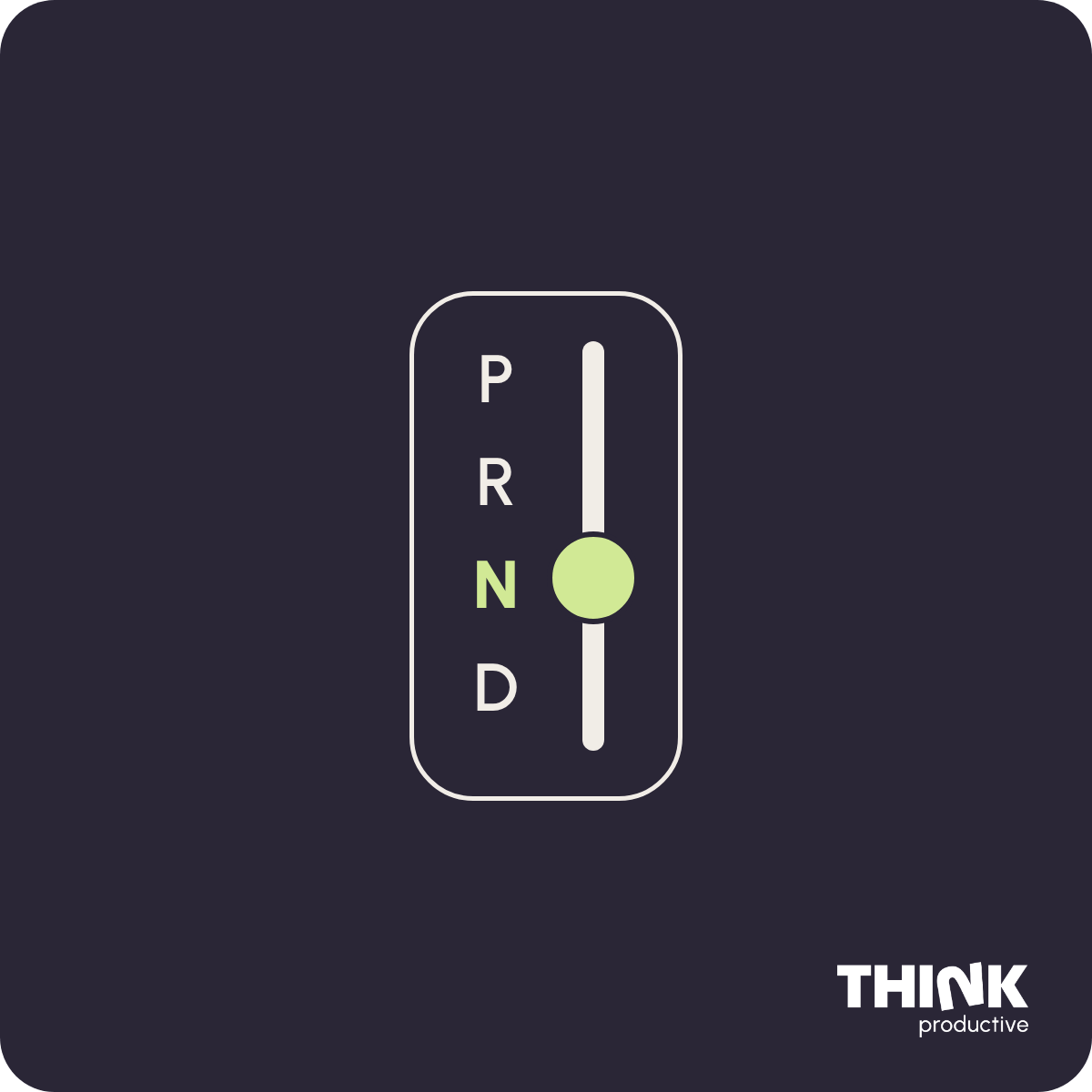
That’s the difficulty with kindness when you’re busy. Most of the time we aren’t being unkind, and we aren’t being especially kind either. We’re in neutral, getting on with the work and being reasonably decent about it, and that’s where a lot of us spend our days when the pressure is on.
Neutral doesn’t do any obvious harm most of the time. Some moments need more than that, though, and the layoff announcement was one of them.
Why we don’t notice
When you’re in neutral, you don’t notice it. You’ve done the work, nobody has complained, and nothing seems to have gone wrong. There’s no moment where you think you could have been kinder, because you weren’t thinking about kindness at all.
If neutral does tip into something hurtful, you might expect to hear about it. The executive did, loud and clear, from people online who had no stake in it. If it had been in-house, a tone-deaf announcement at a town hall, say, would anyone have told him how it landed?
A 2022 study backs this up. Whether it’s a colleague who sounded rude in an email or one who interrupted a client, people tend to keep it to themselves. When the researchers tested it, fewer than half chose to speak up, but almost 90% said that if it were them, they’d want to know.
We hold back because we assume the other person would rather not know, and we think about how awkward the conversation will be and what it might do to the relationship. When the person is our boss, we also wonder how we’ll come across, whether it will make any difference, and whether it could come back on us.
Why it matters
Kindness matters even more when teams are stretched thin, overwhelmed and nearing burnout. How a leader treats their team affects how well the team copes, and neutral doesn’t give them much to lean on. Strain on the team usually means strain on the leader too, which is when a leader is most likely to slip into neutral without realizing it.
Kindness on purpose
You can ask, and it helps, but as the research suggests you may not hear all of it. How people work with you can fill in some of the gaps. You’ll know your own team better than I do, but a few changes could signal something more. Someone who used to raise risks and ask probing questions stops speaking up. Someone who used to offer help keeps their head down. On their own they might mean nothing, but they’re worth a conversation.
Your own week can tell you something too, if you look back over the decisions made in a hurry and the messages sent while you were doing three other things. Were any of them moments that needed more than neutral?
All of that is looking back. The more useful habit is catching those moments before you act, especially when you’re busy or preoccupied and more likely to be on autopilot.
It’s likely what caught out the executive. Had he stopped to think about who would be reading his post, the layoffs might have had a post of their own, and the product news might have waited. A small change would have made a big difference: to those being laid off, to those staying who may now be wondering whether this is the company for them, and to the executive’s own reputation.
Kindness requires intent. It means choosing to be kind, deliberately, and catching yourself when you’ve drifted into neutral.